If you’re trying to rebuild your life as a single mum, you’re not alone.
Many women suddenly find themselves raising a child alone while also coping with heartbreak, financial pressure and an uncertain future. It can feel overwhelming to create stability while caring for someone who depends on you.
In this post, I share my real story of rebuilding my life as a single mum after my relationship ended during pregnancy. I also share the practical lessons that helped me create greater independence, financial security and a calmer life for my son and myself.
If you’re starting over as a single mother, I hope my story shows you that life can become good again — even if getting there takes time.
Table of Contents
In this article, you’ll learn:
- How I became a single mum before I was ready
- Why I worried that I couldn’t give my son everything he deserved
- The moment I realised no one was coming to rescue me
- What the early survival years really looked like
- How education, work and managing money helped me create stability
- What 16 years of single motherhood taught me about independence
- Why accepting support and looking after yourself matter too
My Journey Rebuilding My Life as a Single Mum
I became a single mum before I ever became a mum.
My relationship ended while I was pregnant. We had been together for eight years, we were engaged and planning a future together, and suddenly that future disappeared. I was dealing with the end of a long relationship while preparing to bring our child into the world.
There was no dramatic moment when I suddenly felt strong or empowered. Mostly, I felt scared, overwhelmed and very alone.
I was born in the 1980s, and many of the fairy tales I grew up with followed a familiar pattern. A princess found herself in trouble, a prince arrived to rescue her — sometimes quite literally on a white horse — and eventually everyone lived happily ever after.
Of course, by adulthood I knew that real life wasn’t a fairy tale. But perhaps some of those messages stay with us more deeply than we realise. I had imagined falling in love, getting married, having children and building a secure family with the person I loved.
Instead, I found myself pregnant and facing first-time motherhood alone.
There was no prince on a white horse coming to rescue me or magically put everything back together. I had always wanted to be a mum; I just hadn’t imagined becoming one like this.
Sometimes I wish I could go back and tell my younger self that we were going to be OK. In many ways, that’s part of the reason I created this blog. I want to share what helped me so that other women can move forward with more clarity and support than I had at the beginning.
I didn’t start with a big plan. I was simply trying to get through each day. I didn’t have the security I wanted, secure work or much financial support. What I did have was a determination to give my son a safe and loving start in life.
Sixteen years later, I can look back and see just how much changed.
Becoming a Single Mum Before I Was Ready
Many conversations about single motherhood begin after the baby arrives.
My experience started before that.
I was pregnant, heartbroken and preparing to become responsible for a little life I hadn’t even met yet. There was no opportunity to put everything else on hold while I worked out how I felt. Pregnancy continued and life moved forward whether I felt ready or not.
Then my son arrived.
From the moment I first held him, I loved him unconditionally. I remember looking at this tiny person and feeling a kind of love I had never experienced before. Whatever uncertainty surrounded us, there was nothing uncertain about how I felt about him.
He was mine, I adored him, and I knew I would do everything I could to protect him and give him a good life.

But that enormous love also came with enormous worry.
My grief wasn’t really about wanting my old relationship back. What I grieved was the family life I had imagined giving my baby. I worried that he would somehow be disadvantaged because his father wasn’t living at home. I worried that being raised by one parent meant he would miss something important.
Most painfully, I worried that I couldn’t give him everything he deserved.
That fear created a lot of mum guilt, and it took me years to see our family differently.
“He’s Lucky Because He Has You”
I remember talking to a friend about these worries when my son was young. I was focusing on what he didn’t have and worrying about the effect of growing up with one parent at home.
My friend said something very simple:
“He’s lucky because he has you.”
At the time, I didn’t really accept it.
I heard what she was saying, but I couldn’t see myself the way she apparently could. I was so conscious of the parent who wasn’t living in our home that I struggled to recognise the importance of the one who was.
With hindsight, I understand her comment very differently.
There is reassuring child-development research behind the importance of a supportive adult relationship. The Center on the Developing Child at Harvard University explains that a common protective factor among children who develop resilience despite serious hardship is having at least one stable and committed relationship with a supportive parent, caregiver or other adult. Supportive relationships can help children respond to stress and build important capacities for healthy development.
That doesn’t mean one loving parent removes every difficulty a child might experience, or that family circumstances don’t matter. But I wish I had understood when my son was small just how important love, stability, responsiveness and having an adult who truly believes in you can be.
I loved my son unconditionally. I believed in him, advocated for him, comforted him and encouraged him. I worked hard to give him security and kept showing up, including on days when I was exhausted myself.
My friend had recognised something that I wasn’t yet able to recognise in myself.
The Moment I Realised No One Was Coming to Rescue Me
Some of the hardest parts of single motherhood are the things other people don’t necessarily see: carrying the mental load, making decisions alone and knowing that, however tired you are, someone still depends on you.
For a while, I hoped life would somehow become easier. Perhaps there was still a little of that childhood fairy tale buried somewhere inside me — the idea that eventually somebody would arrive and make everything all right.
Eventually, I realised I couldn’t wait for that to happen.
It was a difficult realisation, but also an important one. I couldn’t control everything that had happened, but I could begin making decisions about what came next.
I could work towards a career. I could learn how to manage money. I could create a more secure home. I could make mistakes, change direction and try again.
That was the beginning of rebuilding.
The Reality of the Early Survival Years
The early years of single motherhood were demanding.
My son depended on me for love, care, safety and stability. At the same time, money was tight and I was trying to work out how to create a secure future for us.
There were meals, shopping, bills, appointments, bedtimes and eventually school runs and homework. Alongside all the practical jobs was the constant thinking ahead that comes with being responsible for a child.
There were days when I felt as though I was running purely on determination.
One memory from my university years captures that period particularly well.
While I was completing my BA (Hons) in English Language and Literature, my son became poorly with pneumonia and needed hospital care. After he was discharged from hospital and on the road to recovery, I had back-to-back university assignments due, with one getting very close to its deadline.
I could have requested an extension, but with another assignment following soon afterwards, I knew it would simply move the pressure further down the road. So I looked after my recovering little boy and worked on the assignment whenever I could.
He understandably wanted to be close to his mum, so that’s exactly where he was. I wrote with him cuddled against me, climbing over me and, at one point, quite literally sitting on my head while I was writing an essay.
It certainly wasn’t the peaceful university study environment I might have imagined. But it captures the reality of that stage of my life rather well. Motherhood didn’t stop because I had an assignment due, and university deadlines didn’t disappear because my son needed me. I had to find a way to make room for both, while making sure he had the care and comfort he needed.
Eventually, I reached a point where I realised something needed to change. I remember thinking:
There has to be a better way to live this life as a single mum.
That thought became the beginning of a new chapter.
Choosing to Rebuild My Life as a Single Mum
I knew I didn’t want to spend our lives permanently in survival mode. I wanted my son to grow up feeling secure, and I wanted to create a calmer future for both of us.
Rebuilding didn’t happen through one enormous transformation. It happened gradually as I made decisions that moved us in the direction I wanted to go.
Education became one of the most important of those decisions.
Completing my degree while raising my son taught me that becoming a single mum hadn’t taken away my ability to learn, grow or have ambitions. My circumstances might make some things harder, but that didn’t automatically make them impossible.
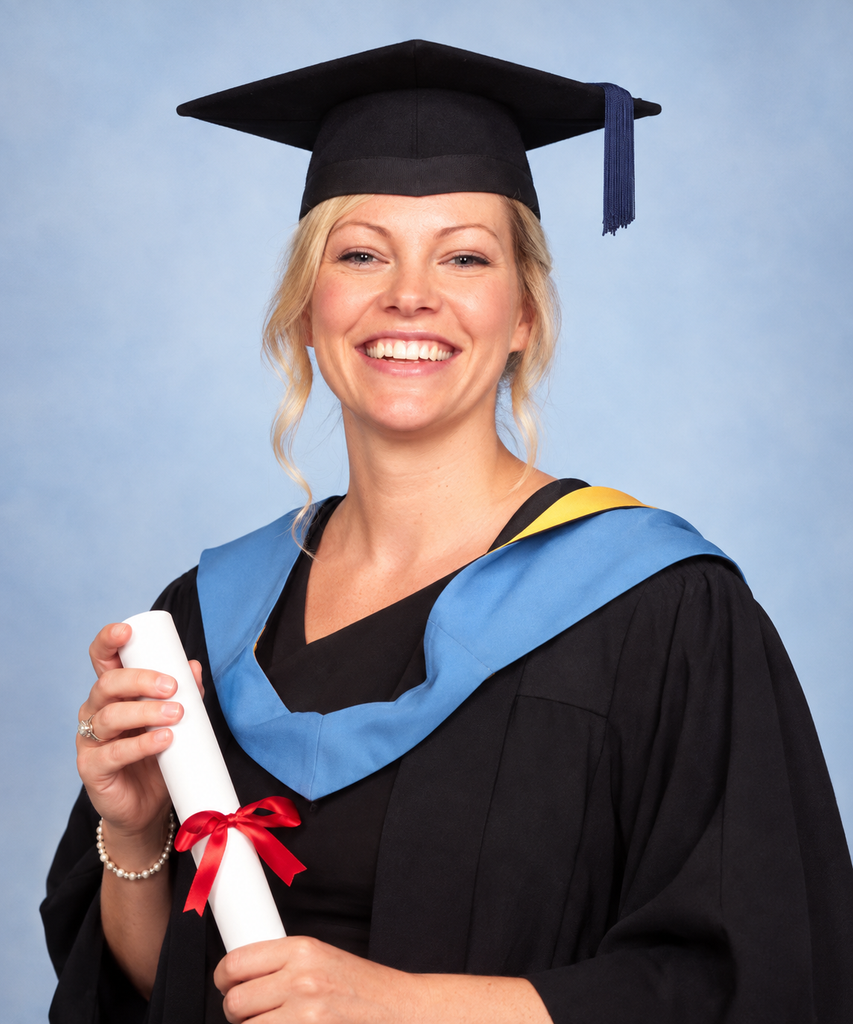
Later, I trained to become a teacher. Teaching provided steady employment and an income that increased gradually over time, while also fitting around my son’s school life in ways that were particularly valuable when he was younger.
Gradually, the future began to feel more secure.
Building Financial Stability as a Single Mum
Learning to manage money carefully was another important part of rebuilding my life.
I budgeted, lived below my means when I could and saved consistently. Over time, I paid off my student loan, built savings and created a financial safety net.
None of that happened overnight. There wasn’t a dramatic moment when I went from worrying about money to feeling financially secure. Progress came through ordinary decisions repeated over time.
Eventually, my career and financial planning helped me reach a milestone that once seemed a long way away.
I bought a home.
Creating a Stable Home
Buying my home was one of the most meaningful achievements of our journey.
After years of renting and uncertainty, having a place of our own gave us a deeper sense of security. It became somewhere we could settle and create the ordinary rhythms of family life.
Our home has held meals, birthdays, Christmases, conversations, difficult days, laughter and countless everyday memories. We also share it with our gentle and loving dog, who brings plenty of warmth and companionship to our lives.
I’ve developed practical routines along the way too. Budgeting systems, meal planning and weekly planning all help reduce the number of things I have to hold in my head.
But creating a good life was never only about qualifications, money or owning a home.
It was about what happened inside that life.
My son and I have travelled abroad, explored Europe in a campervan and created memories together that matter far more to me than material things. We’ve built traditions, shared experiences and grown up together in many ways.

When I look at him now, I see a lovely, sensible young man, and I’m enormously proud of him.
For years, I worried about whether I could give him enough. Looking back now, I can finally be kinder to the younger version of myself. I loved him, believed in him and worked bloody hard to give him a secure childhood.
I wasn’t a perfect parent. Nobody is.
But after sixteen years, I can finally allow myself to say:
I did a good job.
How Single Mums Can Rebuild Their Lives After a Breakup
Every woman’s circumstances are different, and there is no single formula for rebuilding after a breakup. Looking back, however, several things made a genuine difference to me:
- Creating financial stability: improving my earning potential, budgeting and gradually building savings gave me more security.
- Building simple routines: meal planning, budgeting and weekly planning reduced some of the pressure of managing everything myself.
- Investing in my future: education and career development opened opportunities that weren’t available to me at the beginning.
- Accepting support: I eventually learnt that being independent doesn’t mean refusing help.
- Making space for emotional healing: getting through the day and actually processing what you’ve experienced are not always the same thing.
You don’t have to work on all of these things at once. Rebuilding a life takes time.
Healing emotionally was one of the hardest parts of rebuilding my life. I couldn’t simply decide to move on and expect the hurt to disappear. It took time, boundaries, support and lots of small steps. I’ve written more about what genuinely helped me in How to Heal After a Breakup as a Single Mum: 10 Steps That Helped Me Move Forward.
What 16 Years of Single Motherhood Taught Me About Independence
My understanding of independence has changed considerably over the years.
When I first became a single mum, I thought being independent meant being able to cope with everything myself. I became very good at pushing through tiredness and doing what needed to be done.
Eventually, I realised that wasn’t sustainable.
Self-Care Is Essential, Not Optional
For years, my own needs could easily end up at the bottom of the list.
I’ve learnt that looking after myself isn’t separate from creating a stable family life. Gentle exercise, journalling, being outdoors and finding quiet moments help me recharge and feel more like myself.
I also recognise now that constantly pushing myself to keep going has sometimes come at a cost to my own wellbeing. I wish I had learnt sooner that being a good mum didn’t require me to sacrifice myself completely.
Independence Includes Accepting Support
Accepting help doesn’t undo everything you’ve achieved independently.
Sometimes independence means knowing what you can manage yourself and recognising when support would make life healthier or more sustainable.
That was an important shift for me. I no longer see asking for help as evidence that I’m not coping well enough.
Good-Enough Parenting Really Is Enough
I spent far too many years worrying about whether I could compensate for everything I thought my son was missing.
I know now that perfect parenting isn’t the goal. Children need love, security, responsiveness, boundaries and adults who are genuinely invested in them. Research on resilience reinforces the importance of stable, supportive relationships in children’s lives.
I wish I’d understood that when my friend told me, “He’s lucky because he has you.”
I might have spent a little less time feeling guilty and a little more time trusting that the love and security I was giving him mattered.
Mental Health Requires More Than Coping
For a long time, I concentrated on functioning. There was always another practical problem to solve, so it was easy to keep moving rather than make space for my own emotions.
I’ve since learnt that coping and healing aren’t necessarily the same thing.
If you’re struggling, speaking to your GP, a counsellor or another appropriate mental health professional can be an important step. Support doesn’t mean you’re failing at independence; sometimes it enables you to keep building it.
Why I’m Sharing This Now
For many years, I was too busy living this story to spend much time reflecting on it. I was parenting, studying, working, budgeting and trying to keep everything moving.
Now I have enough distance to think about what genuinely helped and what I wish I had known at the beginning.
That’s part of why I created Lily in Bloom.
This space is for single mums who are rebuilding after separation, trying to create more independence, recovering emotionally or simply wondering how to make everyday life feel a little more manageable.
There’s no expectation of perfection here. I want to share practical advice alongside the reality of what rebuilding can actually look like.

If You’re Rebuilding Your Life as a Single Mum
You don’t need to have everything figured out today.
When I look back over the last sixteen years, I don’t see one enormous moment when everything changed. I see a degree completed around motherhood, a new career, budgets and savings, a home, adventures with my son, mistakes, difficult periods and plenty of ordinary days that didn’t feel significant at the time.
Together, those days became our life.
I also see a mum who spent far too long worrying that her little boy was missing out because she couldn’t give him the family she’d originally imagined.
If I could speak to that younger woman now, I’d tell her to listen properly when her friend says:
“He’s lucky because he has you.”
I’d tell her that her son has someone who loves him unconditionally, believes in him and is determined to give him security.
I’d tell her that the two of them are already a family.
And I’d tell her something else she wouldn’t have believed at the time.
One day, she’s going to look at the lovely young man her little boy has become and realise that, although she didn’t get everything right, she did a pretty good job.
Our lives didn’t turn out like the fairy tales I grew up with. Nobody arrived on a white horse to rescue me.
But I don’t think that’s a sad ending anymore.
I built a life. I raised a son I adore. We made a home and created memories. I learnt that I could stand on my own feet while also learning that I don’t have to do absolutely everything alone.
And I still believe in love and in happy chapters that haven’t happened yet. I simply don’t believe I have to wait for someone else to arrive before I can live them.
If you’re standing near the beginning of your own story, you don’t need to know how every chapter will unfold.
Just start where you are.
Sometimes blooming begins with one small step.
Where to Go Next
If you want a practical plan for creating your own next chapter, read How to Rebuild Your Life as a Single Mum (Step-by-Step Guide) next.
If you’re new to single motherhood, you might also like 10 Things No One Tells You About Becoming a Single Mum, where I share some of the emotional and practical realities that people don’t always prepare us for.